China’s Lao Gan Ma Takes the Heat for Alleged Layoffs Due to AI
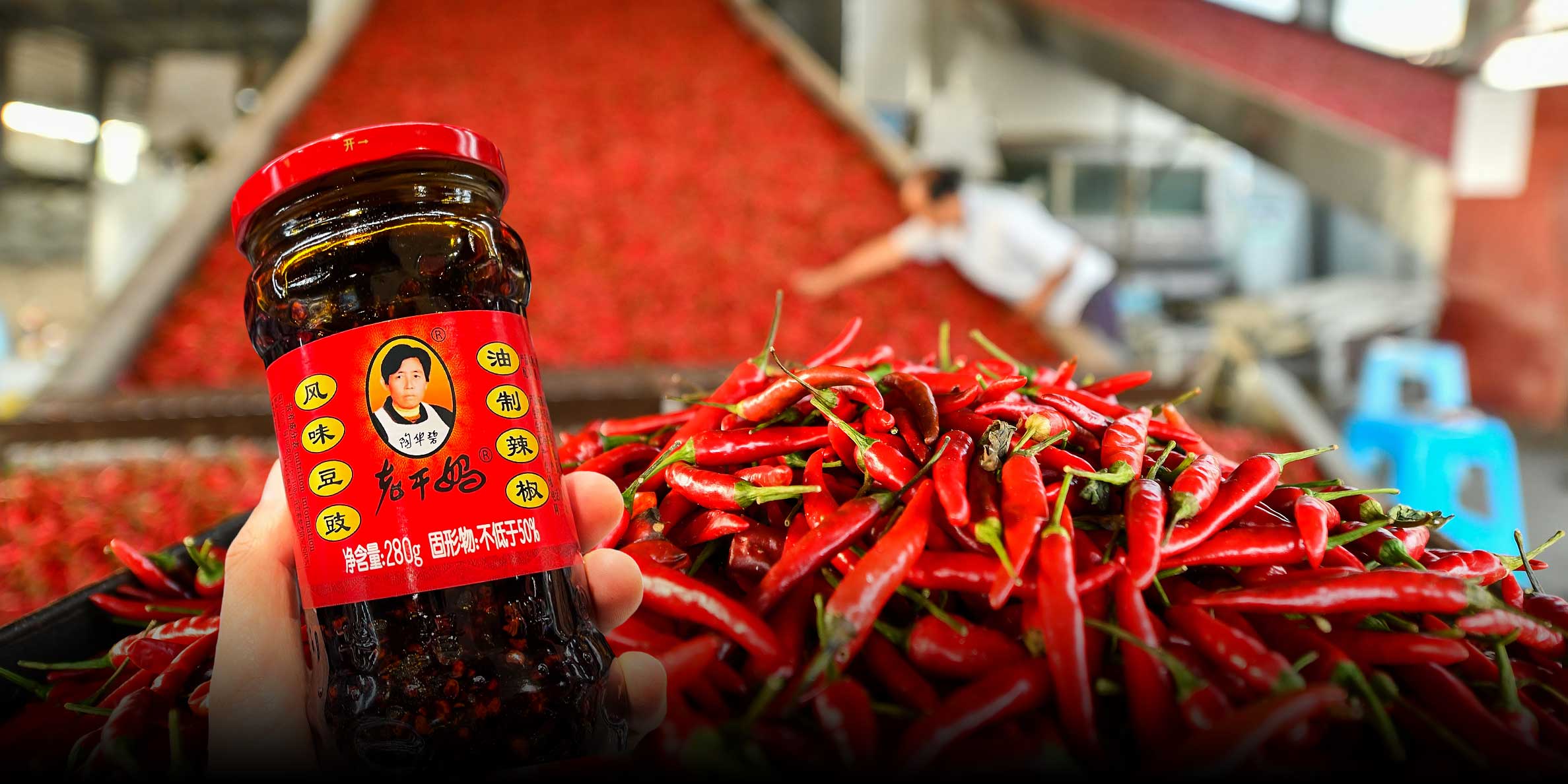
China’s popular chili sauce brand Lao Gan Ma has drawn public scrutiny for adopting AI-driven production, allegedly at the expense of hundreds of jobs.
The controversy began after multiple domestic media outlets reported that Li Xin, Lao Gan Ma’s executive vice general manager and chief quality officer, touted the company’s use of AI at a provincial business conference last month in China’s southwestern Guizhou province, where the sauce originates.
Li reportedly said the number of workers on one production line fell from over 600 to just 48 after the company introduced an AI-powered pepper inspection system last year. He added that the company’s 2025 revenue reached a record 5.4 billion yuan ($810 million), crediting AI with reducing production errors to almost 0%. Li’s full remarks are not publicly available online.
The company’s history of touting its dedication to working people has drawn particular criticism over the potential layoffs, according to a commentary by Shanghai-based media outlet The Paper. Lao Gan Ma’s founder, Tao Huabi, whose portrait adorns the brand’s jars and is known across China, was herself a laid-off worker who sold cold rice noodles from a street stall before founding the brand in 1997.
As of Wednesday, a hashtag related to the scandal has garnered more than 120 million views on microblogging platform Weibo. Some users said automation is a standard part of industrial upgrading that can help improve efficiency and ensure consistent product quality. Others argued that the company should consider its responsibilities to workers.
“If everything is done by AI and robots, and people have no jobs or income, they won’t be able to afford to consume. What’s the point of producing so much, then?” one highly upvoted Weibo comment read.
Many also called for a boycott of the brand, reposting one user’s comment: “If you lay off workers, we’ll get your products pulled from the shelves.”
Responding to the controversy, Lao Gan Ma human resources representatives stated in an interview with domestic media on Oct. 26 that Li had not referenced staffing figures in his remarks.
In response to the company’s denial, users scrutinized its social insurance enrollment figures, which often reflect a company’s workforce size. Corporate filings disclosed by business data platforms Tianyancha and Qichacha show that the number of employees insured by the company fell from nearly 3,000 in 2022 to 740 in 2025 — a roughly 75% decline.
However, changes in social insurance enrollment do not prove AI use drove the layoffs, as other factors such as retirement and employee turnover also affect employment figures.
The debate comes as China seeks to expand AI adoption while curbing its potential negative impacts on employment. On Oct. 23, the State Council issued guidelines calling for “maximizing AI’s potential to create jobs, empower workers in traditional occupations, improve job quality, and stimulate innovation” while “slowing down the impact of AI-related job replacement.”
The guidelines also urge companies to deploy AI with caution in labor-intensive industries. They encourage employers to provide transition periods for displaced workers, give advance notice before large-scale AI rollouts, and offer retraining and support for locating new jobs.
Editor: Marianne Gunnarsson.
(Header image: Visuals from VCG, reedited by Sixth Tone)